Investing in STEM
Students across Tanzania and sub-Saharan Africa often have the curiosity for science and engineering long before they have access to the tools for it. OLSPACE's STEM work exists to close that specific gap — access, not aptitude.

Organizations like NASA and SpaceX are more than space programs — they're also long-term investors in STEM education, because the talent for tomorrow's missions has to come from somewhere. OLSPACE is trying to build that same pipeline here, starting in Tanzania.
What this looks like in practice
Three things OLSPACE is building toward.
A place to build, not just watch
Hubs where students get hands-on time with real equipment instead of watching a demonstration once and moving on.
Room to turn an idea into hardware
Space and tools for students and early-career engineers to take a project past the concept stage.
People who've done the work
Direct access to engineers who can tell a student what actually breaks first, not just what's supposed to work.
Where this started
Marangu, and a school Leonard once sat in as a student.
Darajani Secondary School
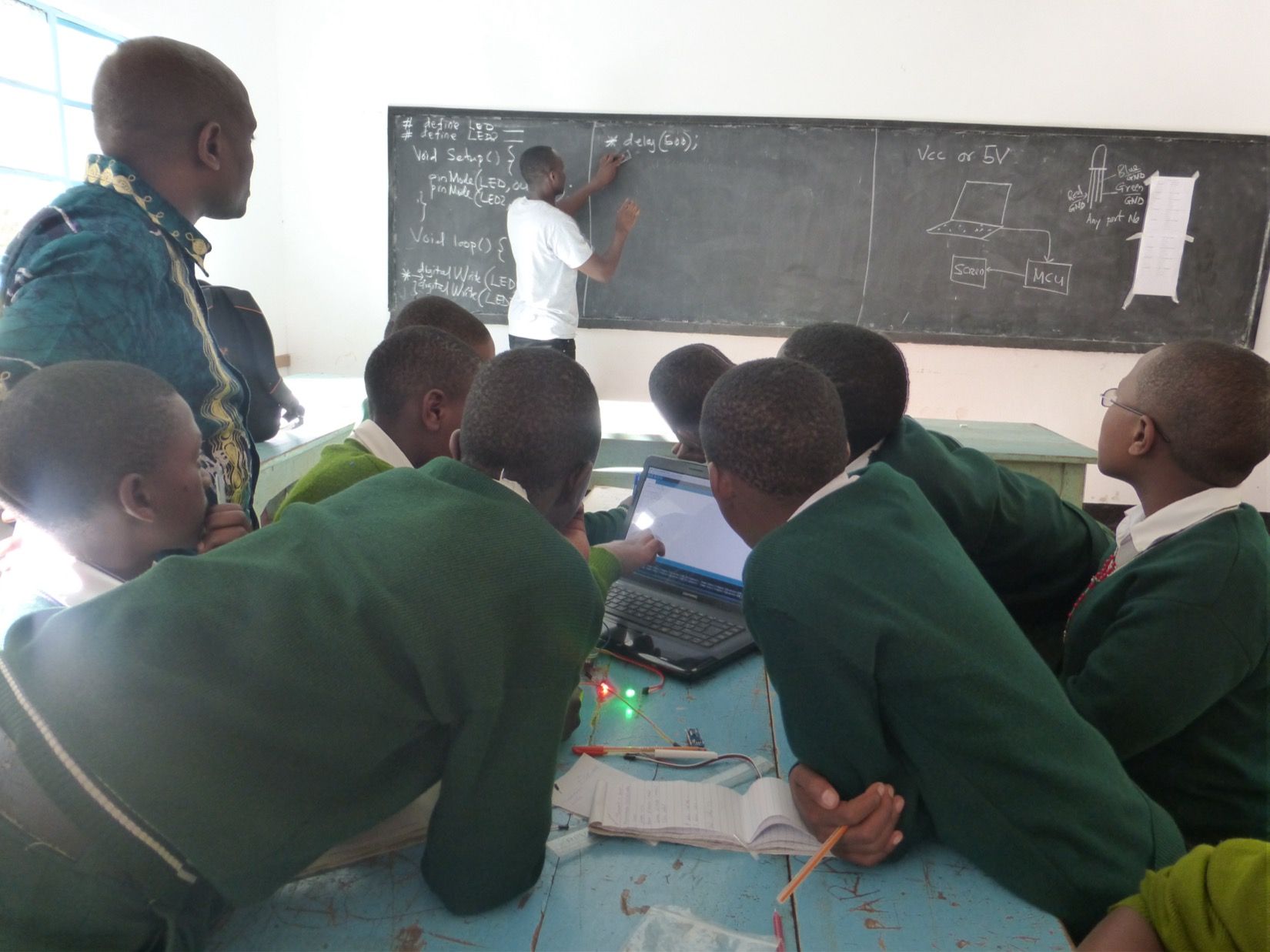
The outreach work began with a visit back to Darajani Secondary School in Marangu — Leonard's own former secondary school. It wasn't just a homecoming; reconnecting with former teachers and meeting the current students turned into the starting point for what OLSPACE now does in STEM outreach.
What the visit turned into
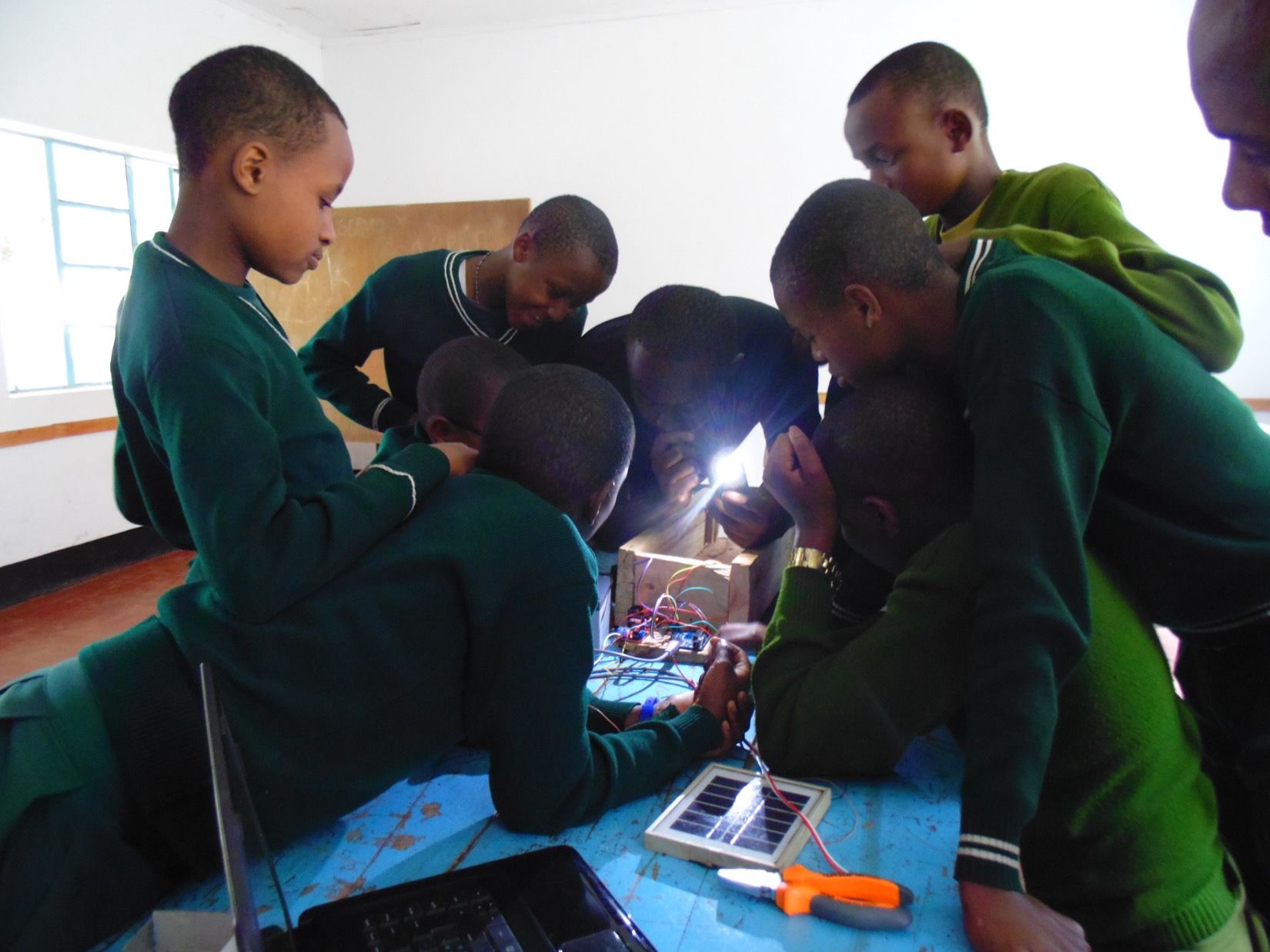
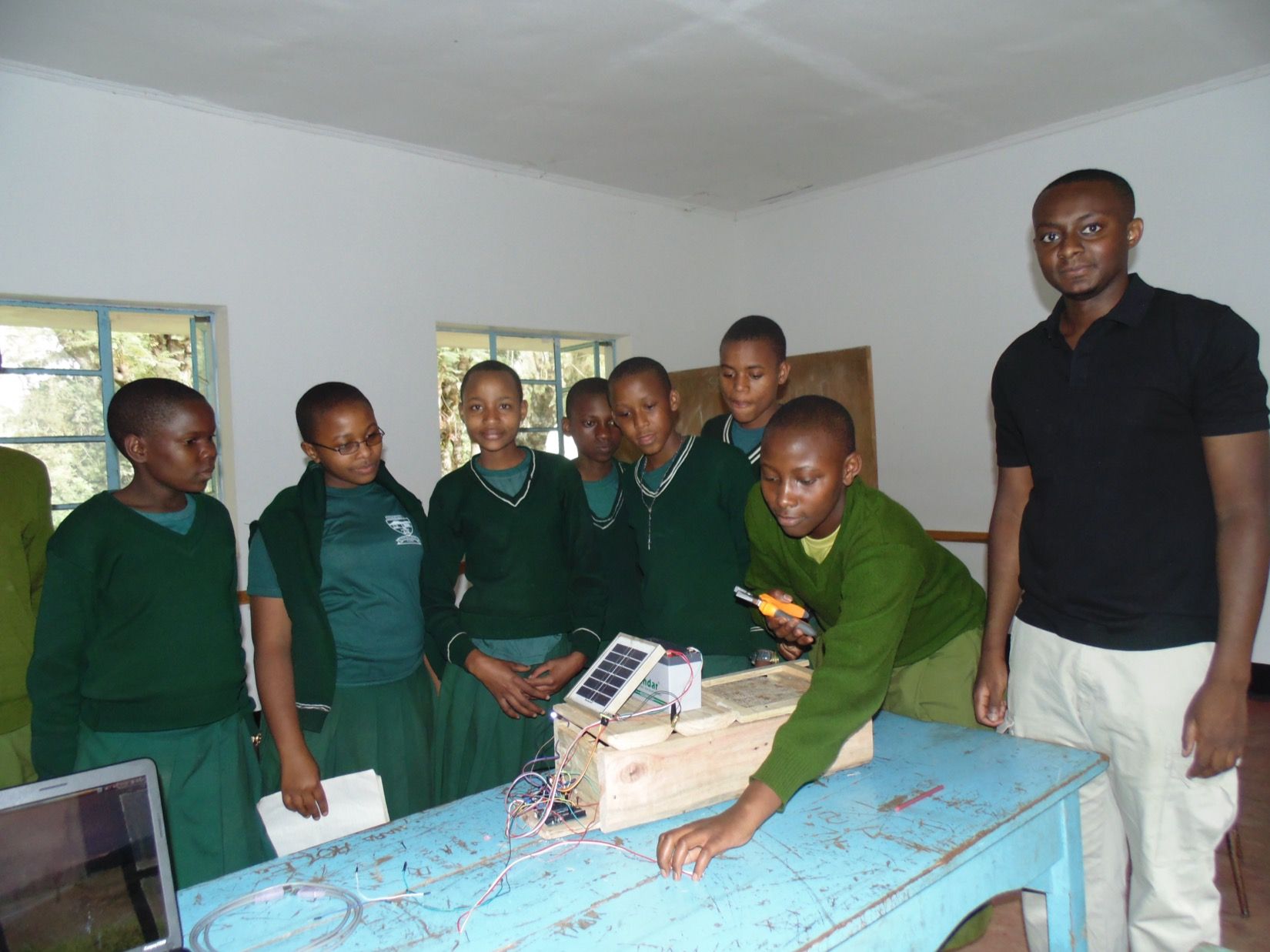
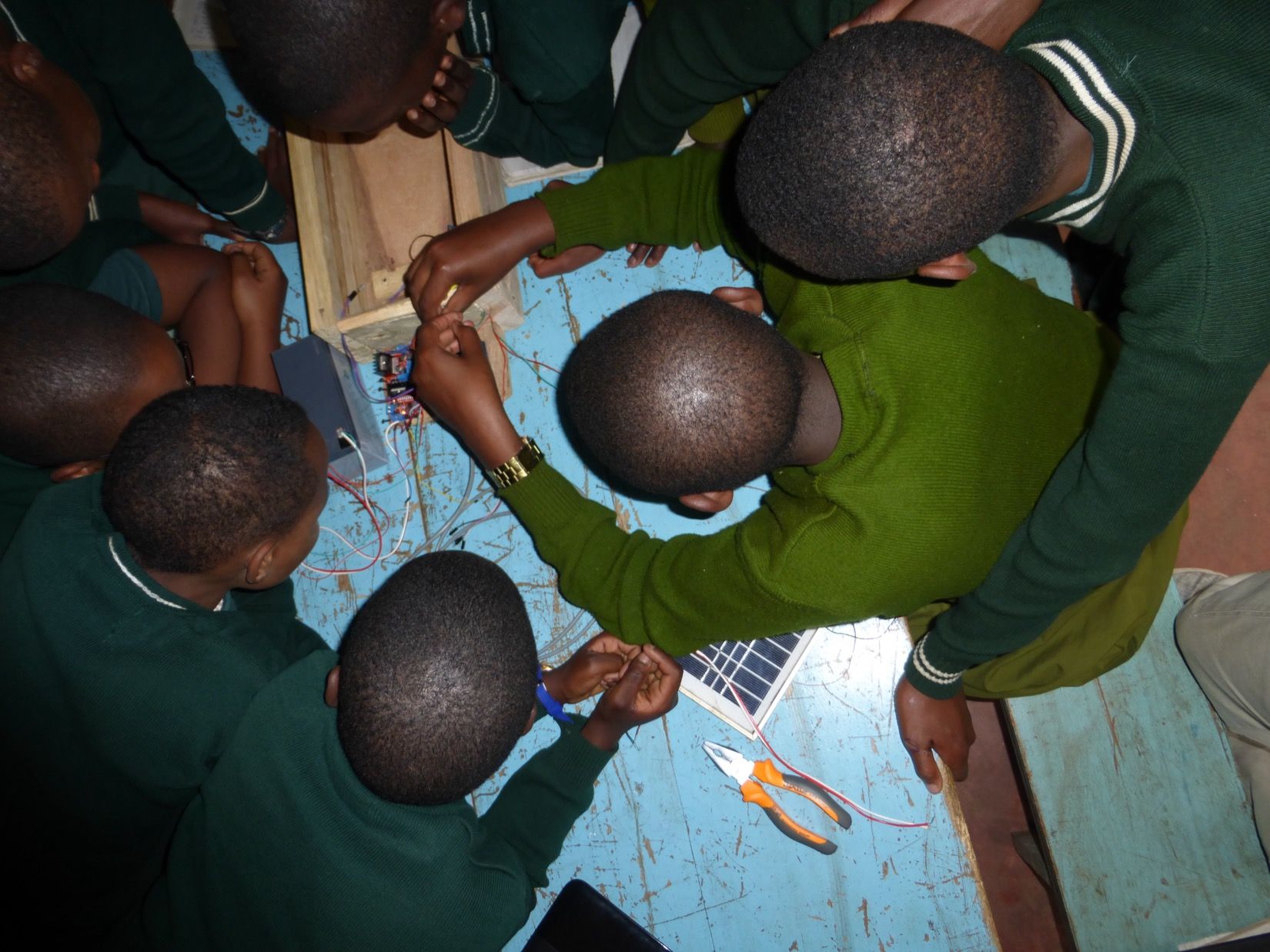
During that visit, students worked hands-on with open-source electronics — including building a solar-powered IoT device meant to catch mice and rats, wired to send the owner a real-time notification by SMS and email when it triggered. That session is also what led to a longer-term plan: a public lab and maker space in Marangu, and a foundational kit for learning electronics, built for students who don't have a school lab to fall back on.
From the visit
Click any photo to see it full size.